What Nobody Told Me About IVF as a South Asian Woman
August 28, 2026
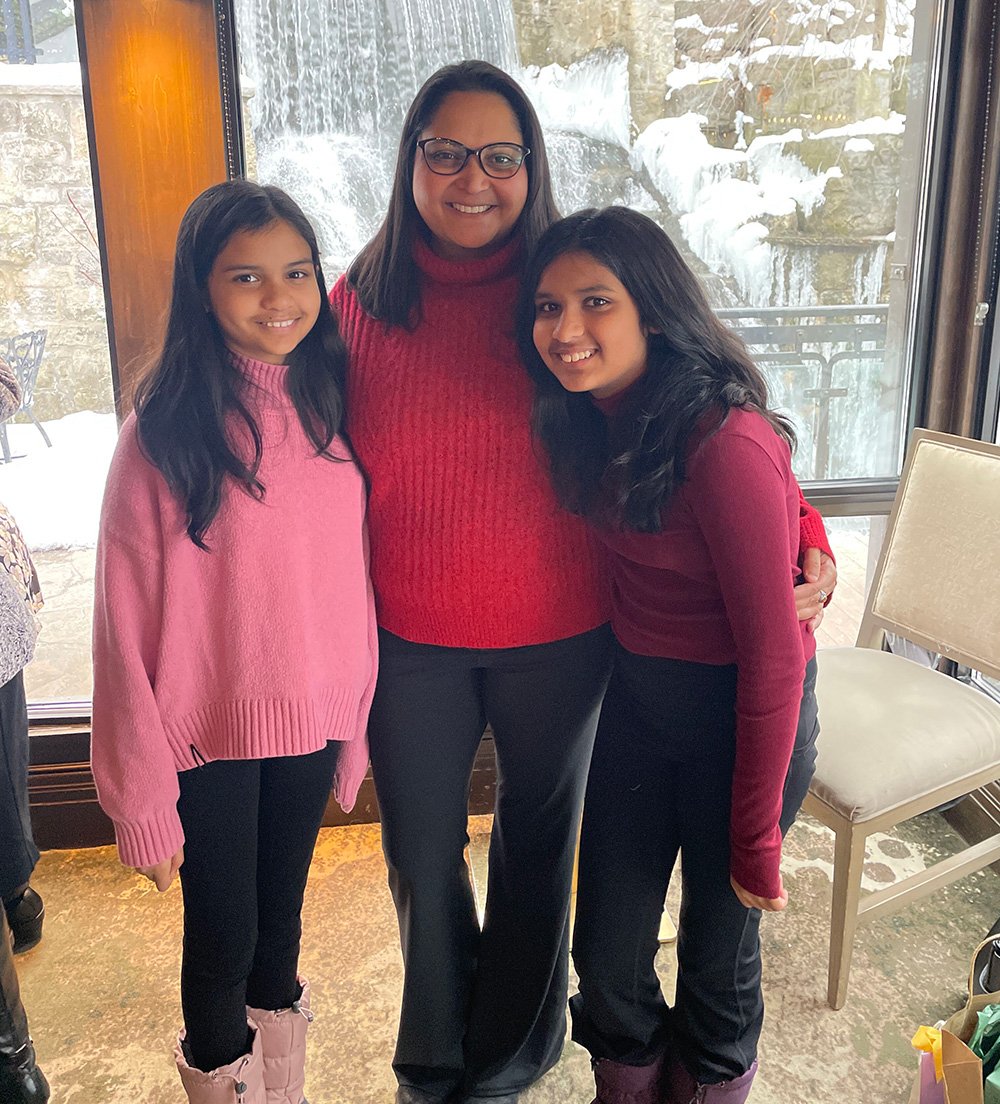
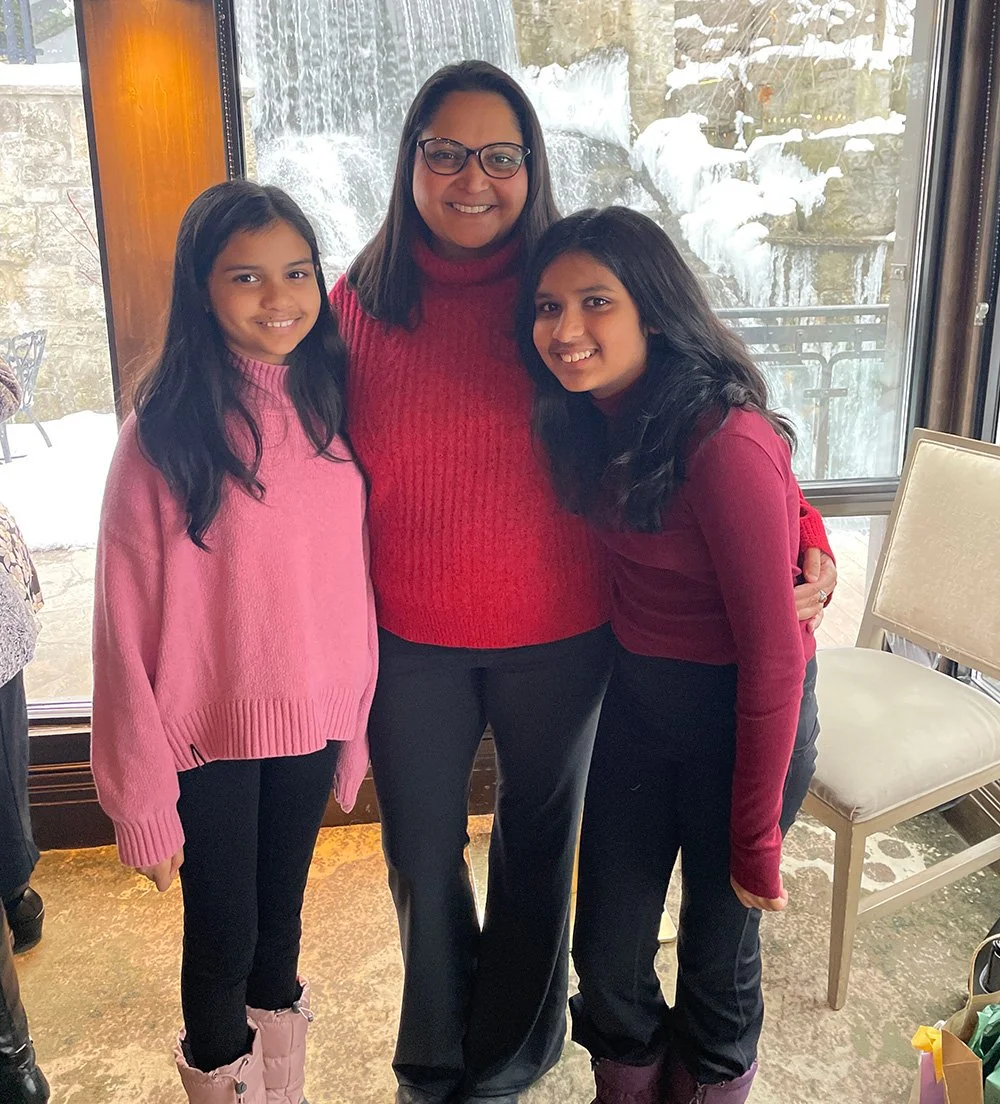
Rina with her twin daughters born via IVF.
When people excitedly ask if twins run in my family, I tell them the truth: that I conceived my children using IVF.
I remember the very first time my then-husband and I walked into the fertility clinic. It was in a large office building with many doctors, and my doctor's office was at the end of a very long hallway. The waiting area was recently renovated, and the receptionist was warm and welcoming, guiding me to fill out initial paperwork and handing me some pamphlets to read while the doctor finished up with another patient. I sat in the slightly uncomfortable chair, casually looking around the room but none of the other couples there made eye contact with me. Most were on their phones or whispering to each other.
We met with the doctor who patiently explained the potential causes of our infertility and what testing he would do before discussing treatment options. We were connected with a nurse, Jackie, who was a godsend in supporting me through the emotional rollercoaster of changing medication protocols, the anxiety of embryo transfers, and the joy of eventual success. Through it all, I found the professionals to be knowledgeable and supportive of my IVF journey.
But that support stopped at the clinic doors.
The Silence Around Infertility in South Asian Culture
Walking back out into my own family and community, I found a glaring lack of support. Not because they were necessarily antagonistic to the IVF process but because in my experience, South Asian culture is markedly silent when it comes to speaking about anything related to sexuality. Many assumptions are made about the process of having babies without immigrant parents ever talking about sex or relationships with their adult children.
When it's been arbitrarily 'too long', a married woman's mother may take her aside to talk about how to move things along, including using specific herbs and chanting certain mantras or giving donations to orphanages. Often, a religious ceremony might be arranged to invoke general prosperity to the couple. But there usually won't be any open acknowledgement of infertility and the need for medical intervention because it's seen as an admission of defect. A defect that could stain the family's reputation and, in some cases, contribute to an abusive or coercive environment. In a culture that heavily values honour and sexual purity, the idea of having doctors intimately involved in a couple's sexual life can feel humiliating.
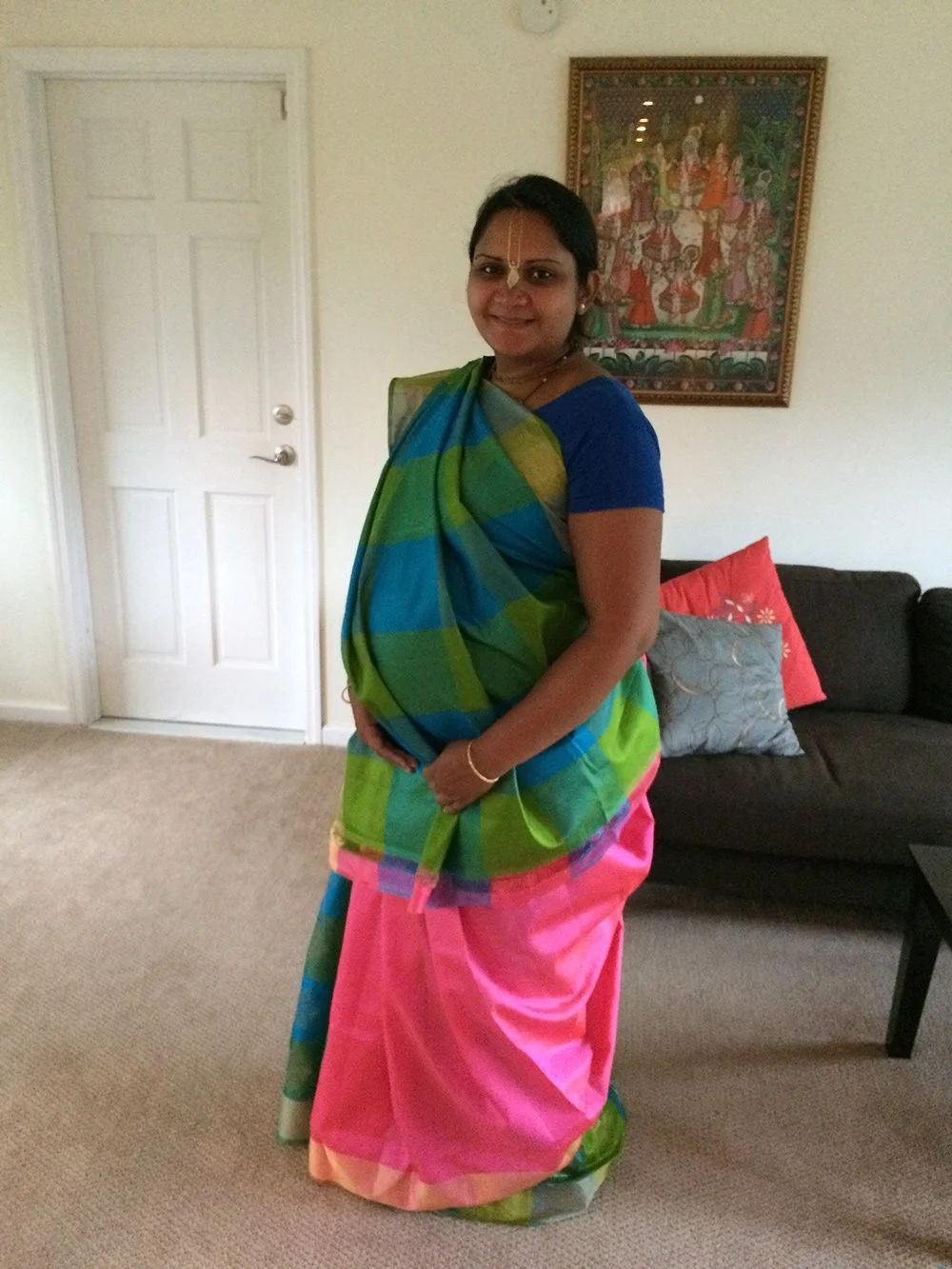
Rina at her baby blessing ceremony with her twin pregnancy.
Sexual and reproductive healthcare can also be shaped by religious beliefs and customs, understood through the lens of karma and destiny and addressed through prayer and religious practices. Research has begun to document some of the ways South Asian women experience barriers to sexual and reproductive healthcare. For many first and second-generation immigrants to Canada, language and financial constraints and a lack of information about specialized health care and the social support needed to pursue fertility treatments are discouraging (Machado et al., 2021).
I wished that I could know if other people in my social circle were struggling with the same issues or had been through IVF and could offer any words of wisdom. I wondered if others like me were balancing the complex cultural web of family building with the demands of caregiving for elderly family members, limited childcare, and working outside of the home.
I could see that other women of colour around me experienced what can be understood as relational determinants of health- the pushing aside of their own needs for the greater purpose of family and community care (Koyama & Vetro, 2026). In a country where medical services are often compartmentalized into different systems and programs are oriented around individual users, the gap can be hard to bridge.
Choosing to Break the Silence
After our second round of embryo transfers stuck and we began announcing our pregnancy to close friends, I decided to disclose that we had been through an infertility journey for almost two years. Our friends were surprised that we hadn't told them before and some privately shared that they, too, had been trying to get pregnant with no success.
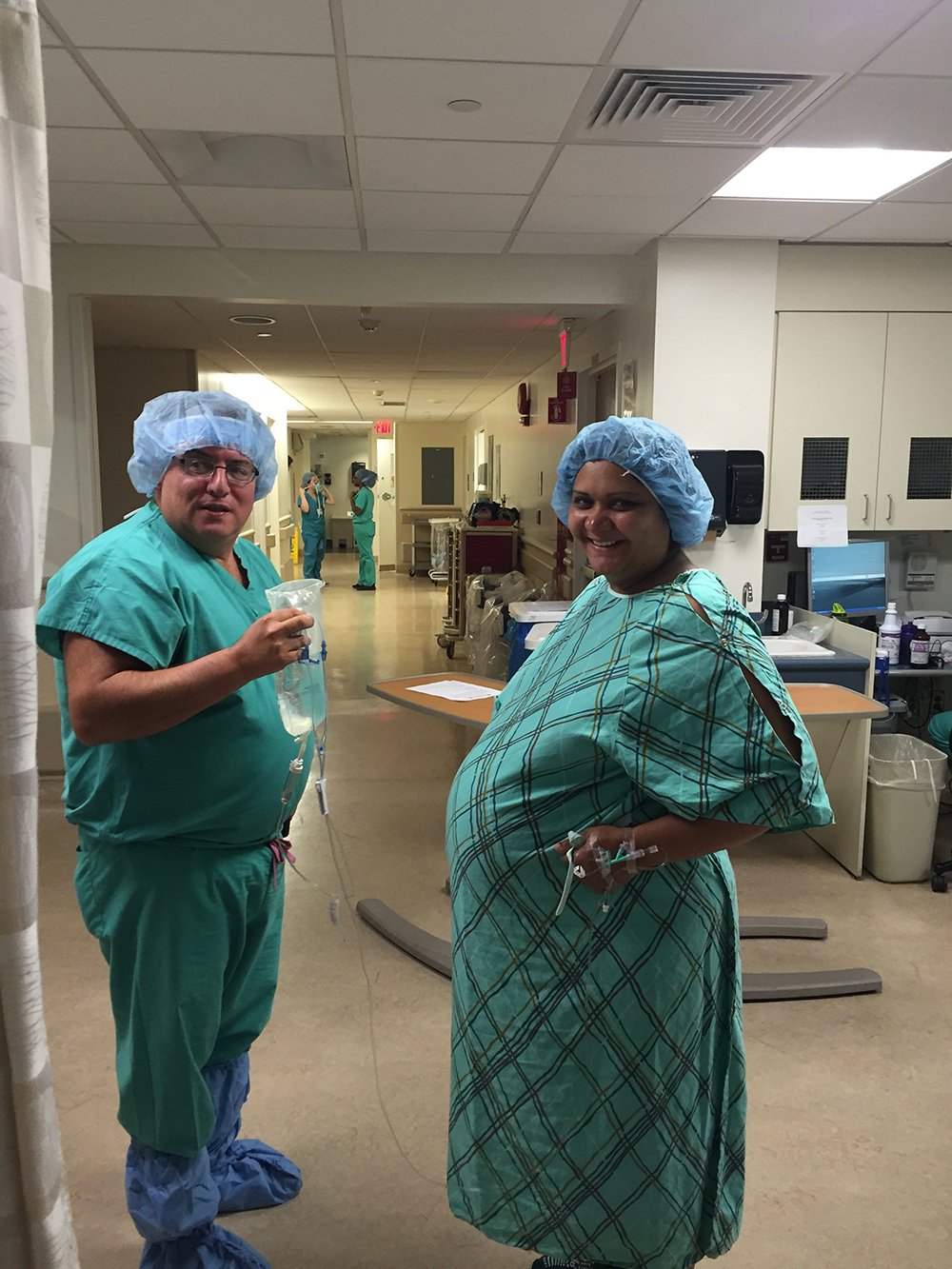
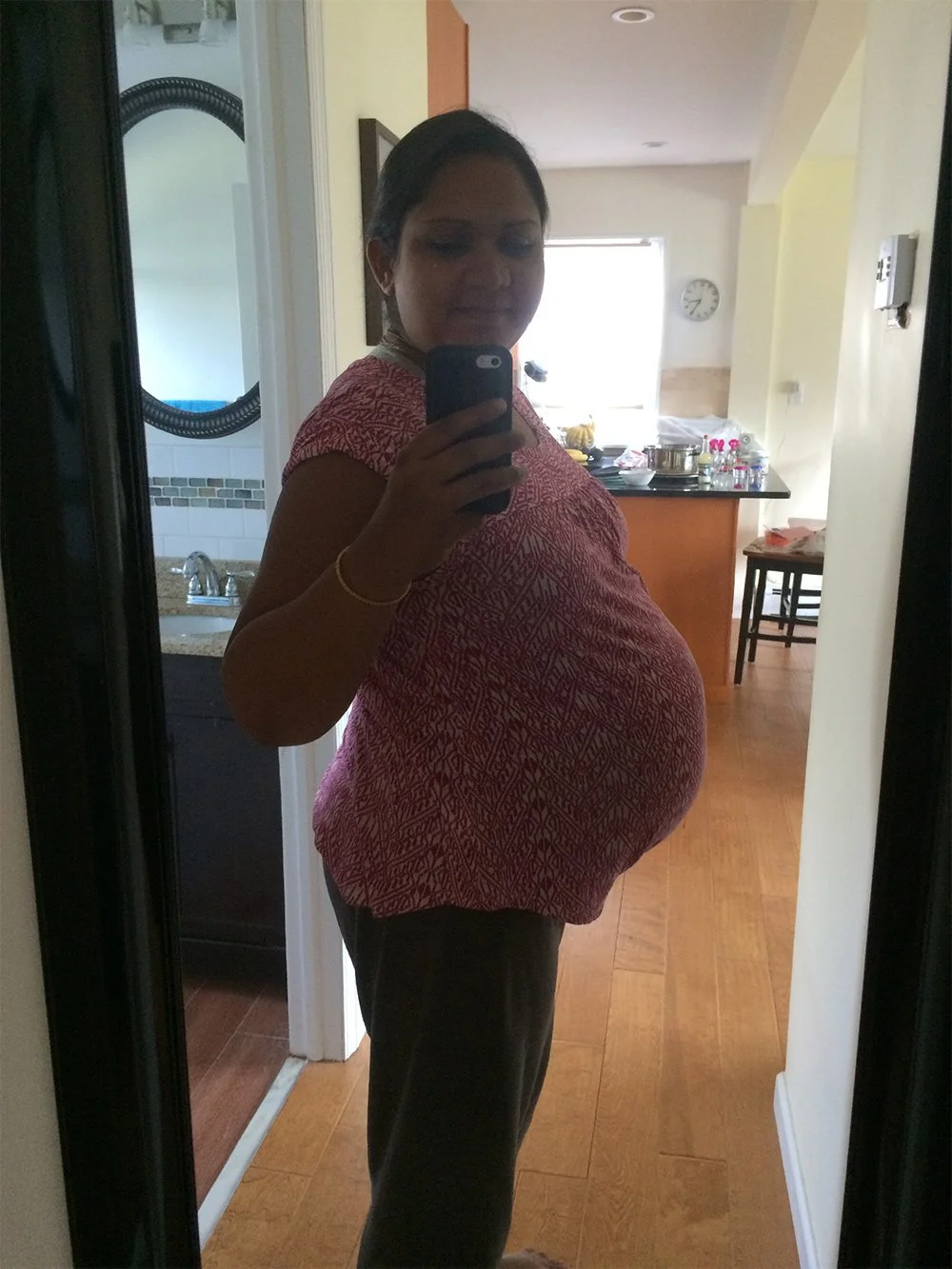
It became clear to me that this was something missing for South Asians and other people of colour: honest and non-judgemental discussions around infertility that were responsive to deep-rooted cultural ideals about families and sexuality. When people excitedly ask if twins run in my family, I tell them the truth: that I conceived my children using IVF.
What once felt like a secret that needed protecting has transformed into breaking free from the stigma and silence around reproductive health and becoming a relatable person that others know they can approach if they have questions about it.
Sources:
Koyama, A., & Vetro, G. (2026). Understanding immigrant women's health in Canada. CAMH. https://www.camh.ca/en/professionals/professionals--projects/immigrant-and-refugee-mental-health-project/newsletter/2026/understanding-immigrant-womens-health-in-canada
Machado, S., Wiedmeyer, M., Watt, S., Servin, A. E., & Goldenberg, S. (2021). Determinants and inequities in sexual and Reproductive Health (SRH) care access among IM/Migrant Women in Canada: Findings of a comprehensive review (2008–2018). Journal of Immigrant and Minority Health, 24(1), 256–299. https://doi.org/10.1007/s10903-021-01184-w
Keep reading